
Understanding the psychological lure of gambling in casino settings
The Thrill of Uncertainty
One of the primary psychological factors that draw individuals to casinos is the thrill of uncertainty. Gambling presents a unique situation where players are faced with the possibility of winning or losing in a matter of seconds. This element of unpredictability creates an adrenaline rush that many find exhilarating. It taps into the innate human desire for excitement and risk-taking, making each bet feel like a thrilling adventure. As many seek to enhance their experience, they often venture into innovations such as the aviator betting game, raising the stakes even higher in their gaming pursuits.
This thrill is compounded by the notion of potential rewards. The human brain is wired to seek pleasure, and the prospect of hitting a jackpot or winning a large sum of money releases dopamine, a neurotransmitter associated with pleasure and reward. The combination of uncertainty and the potential for significant rewards can create a powerful psychological draw, often leading to repeated visits to the casino.
Social Dynamics and Group Influence
Casinos are often bustling environments filled with people from diverse backgrounds, creating a lively atmosphere. This social aspect can enhance the gambling experience, as individuals may feel more comfortable and encouraged to gamble when surrounded by others. The collective excitement of fellow gamblers can amplify the feelings of enthusiasm and anticipation, making the experience more enjoyable.
Additionally, social interactions in casinos can lead to a sense of belonging. Many people find camaraderie with other gamblers, and this connection can further entrench them in the gambling culture. Whether it’s sharing stories of wins or losses, or simply celebrating a good roll, these social dynamics can deeply influence an individual’s desire to engage in gambling activities.
The Role of Design and Environment
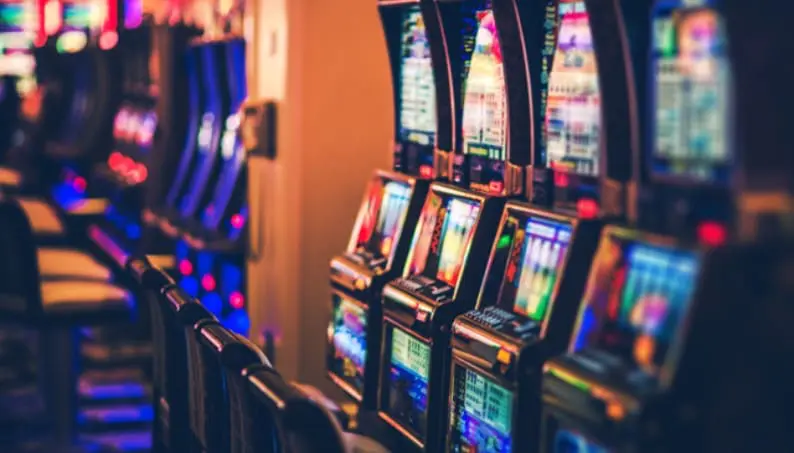
Casinos are meticulously designed to stimulate excitement and prolong engagement. The layout, lighting, and sound design of a casino all serve to create an immersive environment that keeps players entertained and focused. Bright lights and vibrant colors attract attention and evoke feelings of joy, while the sounds of coins clinking or machines beeping reinforce the sense of success and victory.
Moreover, the lack of clocks and windows in many casinos removes the sense of time, allowing players to lose track of hours spent gambling. This can lead to prolonged sessions and an increased likelihood of spending more money. The strategic use of design elements in casinos significantly contributes to the psychological lure, creating an atmosphere where players are more inclined to gamble and extend their visits.
Emotional Escapism and Coping Mechanisms
For many, gambling serves as a form of escapism from daily life stresses. The casino environment provides a temporary escape where players can immerse themselves in the excitement and thrill of gaming. This diversion allows individuals to forget their worries and immerse themselves in a world of chance and possibility.
Additionally, gambling can also act as a coping mechanism for dealing with negative emotions. Individuals facing challenges may turn to gambling as a way to manage stress or anxiety. However, while this may provide temporary relief, it can also lead to problematic behaviors if not monitored carefully, further entrenching individuals in cycles of gambling as a way to cope.
Exploring Our Website for More Insights
Understanding the psychological lure of gambling in casinos is just one facet of a broader exploration into gambling behavior. Our website delves deeper into various aspects of gambling, including advanced strategies for responsible gaming and the psychological impact of betting behaviors. We aim to provide resources that help individuals understand their motivations and the potential consequences of their gambling activities.
By exploring our content, visitors can gain valuable insights into the complex relationship between psychology and gambling, as well as tips for maintaining a healthy approach to gaming. We invite you to engage with our materials and explore how you can foster a better understanding of your own gambling habits.