
By the end of this blog, you will have a better understanding of how alcohol affects blood thinning and its implications for your health. People on anticoagulant medications (blood thinners) should limit their alcohol intake to one standard drink per day because these changes in the blood aren’t dangerous to most people. Heavy drinking increases a person’s risk of developing cardiovascular diseases such as heart attack and stroke.
- Within this moderate range, the temporary inhibition of platelet activity and enhancement of clot breakdown may offer a transient reduction in the risk of ischemic events.
- This initial plug is then reinforced by a meshwork of fibrin, a protein formed from clotting factors, which creates a more stable clot.
- One of the most immediate effects of alcohol is its ability to cause blood vessels to dilate, leading to a temporary feeling of warmth and relaxation.
Does Guinness Prevent Blood Clots?
Foods rich in omega-3 fatty acids, like salmon and flax seeds, also thin the blood. Incorporating these foods alongside moderate beer intake can enhance benefits. Contrary to popular belief, alcohol does not actually thin the blood. Blood thickness, also known as blood viscosity, is not directly influenced by alcohol consumption. The composition and consistency of blood remain relatively constant, regardless of alcohol intake.

Wine has the biggest blood-thinning effect
Moderate wine drinkers may see positive effects on blood sugar management, too. In the long-term, too much alcohol can increase your risk of bleeding. When your risk of bleeding increases, your risk of serious medical issues like hemorrhagic stroke increases. You may also find that you bruise more easily, feel more tired than usual, and suffer from more nosebleeds. Grapefruit as well as grapefruit juice contain compounds that may interfere with the way your body metabolizes certain medications. While grapefruit is not known to have a dangerous interaction with Eliquis specifically, it may still impact the effectiveness of several other medications, including some blood thinners.
However, higher amounts of alcohol consumption may have the opposite effect and increase the risk of blood clotting. While alcohol may have blood thinning effects, it may also increase the risk of cardiovascular conditions and blood clots. Research suggests drinking alcohol may thin the blood by affecting platelets, which are the parts of blood that initiate coagulation, or clotting. Atrial FibrillationLong-term or binge drinking fosters atrial fibrillation (“holiday heart syndrome”), an arrhythmia raising stroke risk due to potential clot formation in the heart’s atria. So if one is hoping that mild “blood thinning” from alcohol might help the heart, they must also weigh the elevated likelihood of arrhythmias that ironically raise stroke risk.
Risks and Dangers of Excessive Alcohol Consumption
Alcohol affects the body’s ability to form blood clots, which are essential for stopping bleeding when an injury occurs. When blood clotting is impaired, even minor cuts or injuries can result in prolonged bleeding. It’s important to note that alcohol’s impact on blood clotting can vary from person to person. For some individuals, the fleeting platelet function changes from moderate drinking might slightly reduce a few cardiovascular risks. Yet, for many more, the broader hazards of heavy or chronic alcohol use overshadow any potential benefit. The interplay of dose, frequency, genetics, concurrent medications, and overall health means that each person’s physiological response will differ.
Dr. Harb moved to New York City, choosing a career path in academic medicine as an assistant professor at the Donald and Barbara Zucker School of Medicine at Hofstra/Northwell. There, he teaches and works with cardiovascular and medical trainees as well as medical students. He is a Fellow of the American College of Cardiology (FACC) and American board-certified in general cardiology, echocardiography, and stress-testing, and nuclear cardiology. Lastly, he obtained graduate education in public health and business administration to contribute to national healthcare reform research and implementation. Of course, healthcare professionals are best alcohol to thin blood here to assist and support you along the way. The lowest risk of CAD deaths was found in people consuming approximately one to two alcoholic equivalents.
Heavy alcohol use is more likely to increase your bleeding risk than a glass of wine here and there, but there really is no defined safe amount of alcohol when you’re on blood thinners. No right-minded doctor would ever prescribe an evening glass of wine over Sobriety blood-thinning medications if you’re at risk of forming clots. It reduces the number of platelets produced in your bone marrow and can prevent existing platelets from clumping or sticking together. Blood clots can cause scary medical issues like ischemic strokes and heart attacks.

Using blood thinners and alcohol together can lead to disastrous health complications like compromising the liver and promoting excessive bleeding. Antioxidants, called polyphenols, may help protect the lining of blood vessels in the heart. Drinking a glass or two of non-alcoholic red wine may reduce your risk for heart disease. One study from the American Journal of Clinical Nutrition discovered that moderate beer drinkers had lower blood viscosity.
How Long Does Unopened Wine Last? (Plus, Tips for Storage)
Meat, fish, and dairy products are just a few of the many foods rich in vitamin B12. Recent research endeavors have added further backing for such a claim, as alcohol has the ability to thin the blood. As anything else contributing to a healthy lifestyle, moderation is a key factor for the health benefits of alcohol. This article will look at the blood thinning function of alcohol and also suggest other methods that you can adopt to thin your blood.
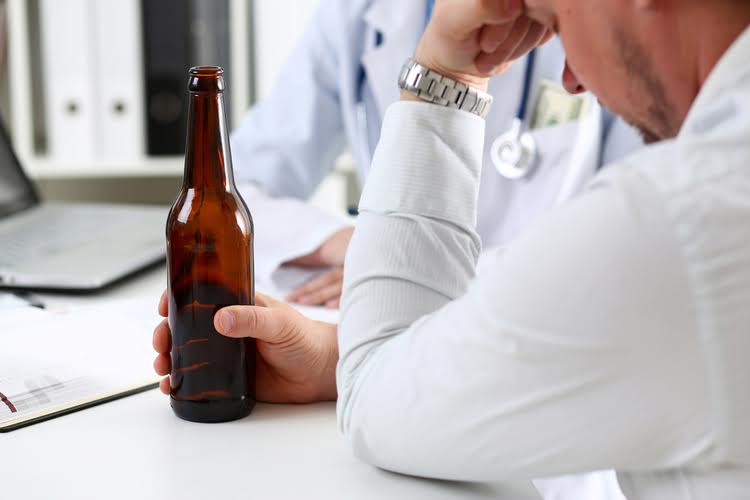
It can also cause things like nosebleeds after a single night of over-drinking. Unlike these prescription drugs, alcohol is not formally recognized as an anticoagulant medication. However, moderate drinking can, under certain circumstances, yield some mild antiplatelet or vasodilatory influences, which might produce a modest thinning effect. The concept is further complicated by numerous variables—individual genetics, overall diet, drinking patterns, and any concurrent health issues. While your blood naturally clots to heal wounds, too much clotting could be dangerous and put you at a higher risk for heart disease.
Frequently Asked Questions on Blood Thinning and Alcohol
A study published in 2003 found that a half-pint of Guinness lowered the risk of developing blood clots in the arteries by as much as 20%. It is thanks to flavonoids, a plant-based antioxidant found in certain drinks and dark chocolate, that this heart-healthy benefit is possible. Darker beers, such as porters and stouts, have the highest iron content. Dark beers are typically three-quarters iron-containing, whereas light beers, such as lagers, pale ales, and other light beers, contain only about half of this. Drinking alcohol in moderation may have a protective effect on your blood vessels.